Gutter Cleaning Hackettstown: Keep Leaves and Debris Under Control

A gutter system does quiet, unglamorous work until it stops doing that work well. Then the problems show up fast. Water spills over the edge during a storm, mulch washes out of beds, siding gets streaked, and the area around the foundation stays wet longer than it should. In a place like Hackettstown, where mature trees, seasonal leaf drop, spring rain, and winter freeze-thaw cycles all come into play, gutter maintenance is not a small housekeeping task. It is part of protecting the house.
Homeowners usually notice gutters only when something goes wrong. A section starts sagging. A downspout clogs and pours water like a fountain. Icicles form in the same trouble spot every winter. By the time those signs appear, debris has often been building for months. Gutter Cleaning Hackettstown is less about appearance than it is about drainage, roof edge protection, and keeping moisture away from places it does not belong.
The good news is that most gutter issues are manageable when they are handled early. Leaves, seed pods, grit from asphalt shingles, twigs, and even roof moss can all be dealt with before they create expensive damage. The trick is understanding what tends to collect, when to clean, and what warning signs matter.
Why gutters clog so quickly in Hackettstown
Hackettstown has the kind of tree cover many homeowners love until autumn arrives. Oaks, maples, sycamores, and pines all contribute different kinds of debris. Broadleaf trees drop large volumes of leaves over a short period, while pines create a slower, year-round mess of needles that weave together and catch everything else. Add spring blossoms, helicopter seeds, and the fine granules that shed from aging shingles, and a gutter can go from clear to sluggish in a surprisingly short time.
Roof design matters too. A simple ranch with one long, straight run of gutter is easier to manage than a house with multiple valleys, dormers, and changing rooflines. Valleys concentrate runoff and tend to wash more debris into the same section. Homes with steep pitches can shed material quickly during storms, packing it into corners and at downspout openings. If the property also has shade and dampness, decomposing organic matter can sit longer, turn to sludge, and support plant growth right inside the gutter trough.
I have seen homes where one side of the gutter system stays almost clean all year, while the rear elevation under two large maples clogs three times between late October and early December. That uneven pattern is common. A house does not clog evenly. One section usually creates most of the trouble.
What clogged gutters actually cost you
Overflow is the obvious problem, but it is far from the only one. When water cannot move freely to the downspouts, it finds another route. It can pour over the front lip, back up under shingles near the eaves, or pool long enough to stress the fasteners holding the gutter in place. Over time that repeated stress shows up as pulled spikes, loose brackets, and gutter runs that no longer pitch correctly.
That overflow also affects everything below. Soil erodes. Decorative stone shifts. Window wells take on water. Basement walls stay damp. In winter, trapped water can freeze in the gutter and downspout, adding weight and creating ice buildup along the roof edge. Once that cycle starts, a relatively simple debris issue can become a carpentry https://travistrbc603.oakmontscope.com/posts/gutter-cleaning-hackettstown-prevent-ice-dams-in-winter or roofing issue.
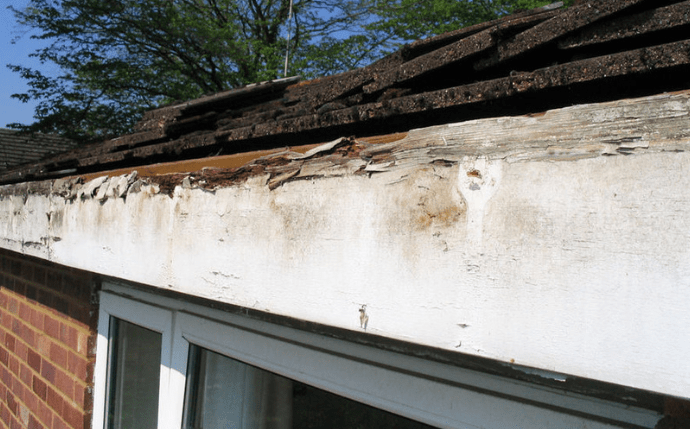
Wood trim is especially vulnerable. Fascia boards behind clogged gutters absorb splashback and prolonged moisture. Paint peels. Wood softens. Carpenter ants and other pests become more likely where damp wood persists. On masonry homes, staining can show up on brick or stone. On vinyl-sided homes, dirty overflow leaves dark lines that are hard to ignore and annoying to scrub off.
None of this means every clogged gutter leads to major structural damage. It means the system is connected to other parts of the house more directly than many people realize. A few bags of wet leaves can set off a chain of avoidable repairs.
The seasonal rhythm that makes sense locally
There is no perfect national schedule for gutters because trees, roof types, and weather patterns vary too much. In Hackettstown, a practical rhythm usually follows the seasons. One cleaning in late spring or early summer clears seed drop, blossoms, and debris from stormy weather. Another, more important cleaning usually happens after most leaves have fallen in autumn. Homes with heavy tree coverage often need an extra visit during peak leaf season or a spot cleaning in winter if ice and backed-up downspouts become an issue.
The timing matters more than the calendar date. Cleaning too early in the fall can feel satisfying, but if the big leaf drop comes two weeks later, the gutters fill right back up. On properties with oaks, waiting until the majority of leaves are down often saves a repeat trip. On homes surrounded by pines, there may never be a true off-season.
A good rule is to match maintenance to what lands on the roof, not to a fixed once-a-year habit. Some houses can get away with annual service. Others genuinely need two or three touchpoints.
Signs your gutters need attention now
Some warning signs are subtle, while others are hard to miss. If you see any of the following, it is time to take a closer look:
- Water spilling over the gutter edge during moderate rain.
- Plants, moss, or visible sludge sitting in the gutter trough.
- Downspouts that drip weakly instead of discharging a steady stream.
- Gutters pulling away from the fascia or sagging at the middle.
- Dark streaks on siding, trim, or masonry beneath the gutter line.
One detail homeowners often miss is the sound. A gutter that gurgles at one corner or sends water cascading only from one downspout usually has a blockage developing somewhere upstream. You can sometimes hear the difference before you can see it.
What a proper cleaning includes
Real gutter cleaning is more than knocking a few leaves out of sight. The troughs need to be cleared fully, including compacted debris at the outlet holes where downspouts connect. Downspouts should be checked for obstructions and flushed so water moves all the way to discharge. The pitch of the gutter should be observed while it is empty and flowing. Fasteners, seams, end caps, and areas of visible corrosion need a quick evaluation at the same time.
This is where experience matters. A homeowner or technician can remove debris and still miss the reason the system has been failing. I have seen downspouts that looked open from the top but were packed solid two elbows down. I have also seen gutters cleaned beautifully while a disconnected underground drain left all that water pooling at the foundation anyway. A clean gutter only solves the problem if the full path of drainage is working.
There is also the issue of granules. If a lot of gritty material is collecting in the gutter, especially along with pieces of shingle, that may say something about roof wear. Gutter cleaning sometimes provides the first close-up look at roof edges and flashing that a homeowner has had in years. It is one of those maintenance tasks that often reveals adjacent issues before they become emergencies.
The difference between a minor clog and a drainage problem
Not every overflow means the gutters are simply dirty. Sometimes the system is undersized, poorly sloped, or burdened by too few downspouts. This tends to show up during heavy rain, when even recently cleaned gutters struggle to keep up. Homes with long roof runs and only one downspout at the far end often have trouble if water volume exceeds what that outlet can handle.
Drainage at ground level can also complicate the picture. If downspouts empty too close to the foundation, the gutters may technically be working while the property still has a water problem. Extensions, splash blocks, or underground drain lines can help, but only when they are pitched and maintained correctly. Underground lines are notorious for clogging with silt or roots over time.
That is why Gutter Cleaning Hackettstown often overlaps with bigger conversations about water management. Cleaning is the first step. Proper discharge is the second. If one is neglected, the other cannot do its job well.
Safety is not a side note
Many homeowners like to handle maintenance themselves, and some are perfectly capable of doing it safely. Others underestimate how risky ladder work becomes when leaves are wet, the ground is uneven, or the gutter line sits above a lower roof section. A one-story cleanup can turn hazardous quickly if the ladder is placed in a bed, on pavers that rock, or near overhead lines.
The other challenge is reach. People often overextend rather than climbing down and repositioning the ladder. That is how falls happen. The work also gets heavier as the debris gets wetter. A gutter packed with soaked leaves and sludge weighs far more than most people expect, and moving that material while balancing on a ladder takes more control than it sounds like it should.
If you choose to do your own gutter cleaning, a few habits matter more than speed:
- Work on a dry day with stable footing and good daylight.
- Reposition the ladder often instead of leaning beyond the rails.
- Wear gloves and eye protection, especially near downspout clogs.
- Flush the system after clearing debris so hidden blockages reveal themselves.
- Stop if the roofline, height, or weather makes the job questionable.
There is no prize for forcing your way through a risky cleanup. Gutters can wait a day for safer conditions.
Gutter guards, screens, and the truth about “maintenance free”
Gutter protection systems can help, but the sales language around them is often too absolute. No guard makes a gutter truly maintenance free. What a good system can do is reduce the volume of large debris entering the trough and stretch the time between major cleanouts. On some properties, that makes a real difference. On others, especially where pine needles, seed pods, or small shingle granules are common, guards can create a different kind of maintenance challenge.
Mesh systems tend to block larger leaves effectively, but fine debris can accumulate on top and need brushing off. Surface-tension designs can perform well in certain conditions yet struggle if pitch is off or runoff overshoots in heavy storms. Foam inserts are easy to install but can trap moisture and break down. Brush-style inserts catch more debris than many people expect.
The best candidate for guards is not every house. It is usually a house with recurring leaf load from large trees, decent roof runoff patterns, and an owner who understands that occasional inspection still matters. If a system is installed over gutters that are already loose, poorly pitched, or partially damaged, it may hide the underlying problem rather than solve it.
I have seen homeowners spend good money on guards and still end up with clogged downspouts because the debris problem was not in the trough anymore, it was in the vertical drainage. That is a frustrating lesson when expectations were set too high.
What professional service should look like
If you hire out the work, clarity matters. A proper service visit should specify whether downspouts are included, whether bagging or debris removal is included, and whether the crew tests water flow after cleaning. It should also be clear whether minor adjustments are part of the visit or billed separately. There is a big difference between “gutter cleaning” and “gutter cleaning plus flushing, inspection, and minor tightening.”
Professional crews also tend to notice patterns homeowners may miss. They can tell when a repeated clog at one corner points to a pitch issue, when standing water suggests hanger movement, or when black tiger-striping on the outside of gutters is cosmetic rather than functional. That judgment has value, especially on older homes where several small issues can combine into one visible symptom.
Price can vary with height, linear footage, roof complexity, and accessibility. A single-story home with wide open access is simpler than a steep two-story colonial with rear deck obstacles and heavy tree cover. The cheapest estimate is not always the best one if it excludes flushing, cleanup, or any look at the downspouts. On the other hand, not every house needs an elaborate service package. The right level of service depends on what the home and property are actually dealing with.
A few details that make a surprising difference
Small habits around the property can reduce gutter trouble more than people expect. Trimming branches back from the roofline lowers both leaf load and pest access. Keeping roof valleys clear prevents concentrated washouts into the same gutter sections. Watching where each downspout discharges during a rainstorm can reveal drainage issues no dry-day inspection will show.
Another practical step is paying attention after severe weather. A windy thunderstorm can fill a previously clean gutter with twigs and seed debris in one afternoon. Winter is another turning point. If one downspout freezes repeatedly, there may be a partial blockage or poor discharge location causing standing water. That problem is easier to address in milder weather than during the first hard freeze.
Older homes in and around Hackettstown sometimes have mixed drainage setups from past additions or renovations. One downspout may run underground, another onto a splash block, another into an extension that has cracked or shifted. Those patchwork systems are common, and they are exactly why a quick glance from the driveway tells only part of the story.
When gutter cleaning turns into repair work
There is a point where cleaning alone is no longer enough. If the gutter metal is warped, seams are leaking in multiple places, or the hangers are repeatedly pulling loose from softened fascia, repair should come before the next heavy rain if possible. The same goes for downspouts that are crushed, disconnected, or too undersized to handle the roof area they serve.
Sometimes the repair need is obvious. Other times it shows up as persistent nuisance behavior. A gutter that always holds an inch of water after every cleaning may have improper slope. A corner that overflows only in cloudbursts may need an additional downspout or a larger outlet. These are not housekeeping problems. They are design or condition problems.
That distinction matters because repeated cleanings will not fix a flawed setup. They may reduce symptoms for a while, but the real solution lies in correcting pitch, replacing damaged sections, or improving drainage capacity. Good maintenance includes knowing when maintenance has reached its limit.
A practical way to stay ahead of it
For most homeowners, the easiest strategy is simple. Inspect in spring, clean after seed and blossom season if needed, watch the system during a summer storm, and schedule the main cleaning after fall leaf drop. If the property is heavily wooded, especially with pines or large deciduous trees hanging over the roof, expect to check more often. If the house has a history of basement dampness or erosion near the foundation, treat gutter performance as part of a larger water-control plan rather than an isolated chore.
Gutter Cleaning Hackettstown is not glamorous work, but it protects expensive parts of the house from a very ordinary source of damage. Leaves and debris do not look serious sitting in a trough. The water they block is the serious part. When the system stays clear and drains where it should, the roof edge lasts longer, the siding stays cleaner, the landscaping suffers less, and the foundation has one less thing working against it.
That is the real value of staying ahead of it. Not spotless gutters for their own sake, but a house that handles weather the way it was meant to.
Just Gutters LLC
Address: 262 Main St, Hackettstown, NJ 07840
Phone number: +12013319454
FAQ About Gutter Cleaning Hackettstown
How much should a gutter clean cost?
Professional gutter cleaning typically costs between $163 and $333, with a national average of around $210 to $250 for a standard-sized home.
What months should you clean gutters?
You should clean your gutters twice a year—once in late autumn (November to December) and once in late spring (April to May).
Is it worth paying for gutter cleaning?
Yes, paying for gutter cleaning is worth it because it prevents thousands of dollars in water damage, roof leaks, and structural repairs.