When to Replace Old Systems with New Gutter Installation
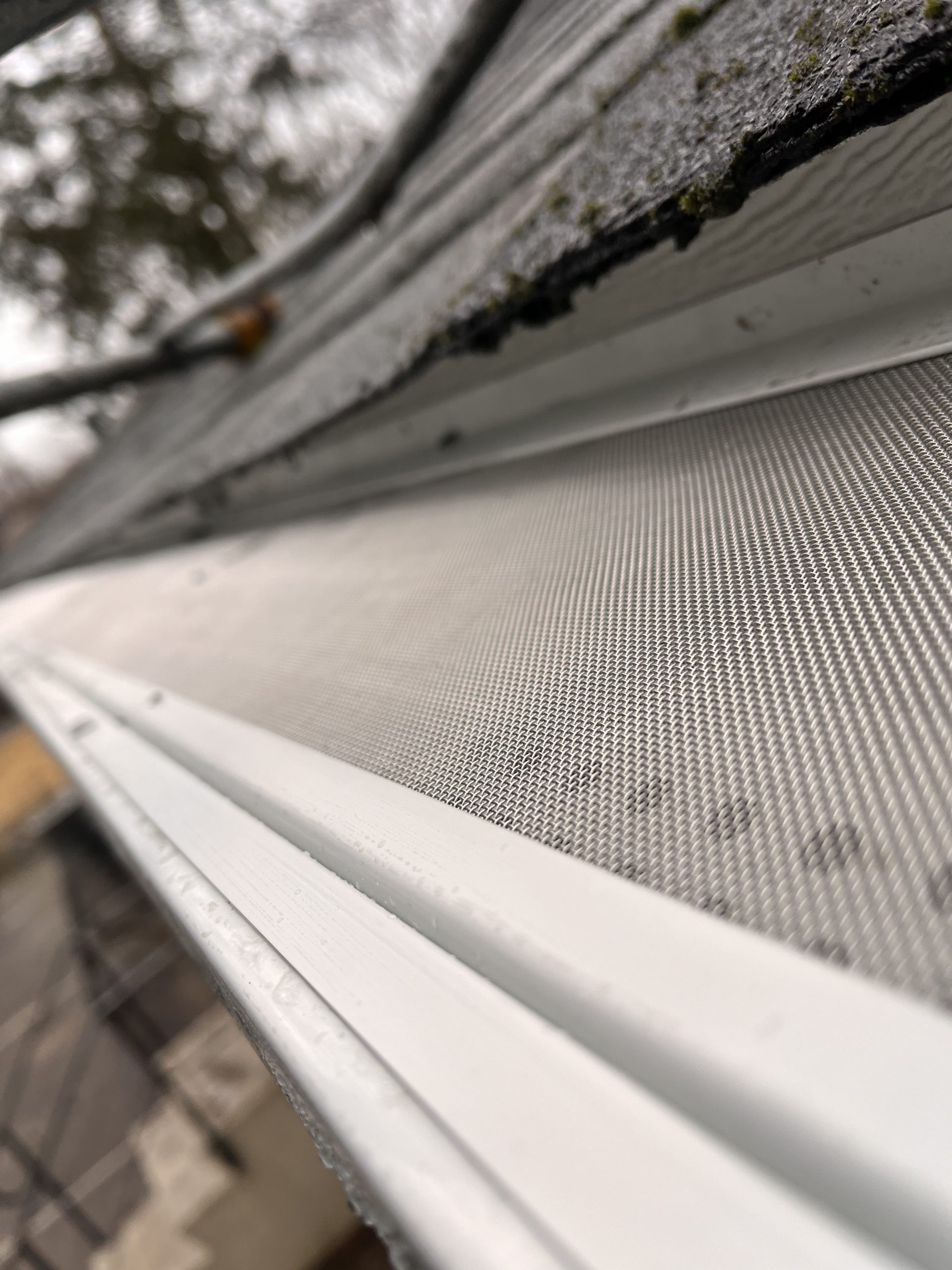
Gutters rarely get much attention until they fail. By then, the evidence is hard to miss. Water spills over the edge during a storm, mulch washes out of the flower beds, paint starts peeling near the fascia, and a basement that used to stay dry suddenly smells damp after heavy rain. Homeowners often ask the same practical question at that point: should the existing system be repaired again, or is it finally time for new gutter installation?
That decision is not always obvious. A ten-year-old system with one loose downspout is very different from a twenty-five-year-old run of sectional gutters that has been patched, re-pitched, and resealed so many times that every rain exposes a new weak spot. The right answer depends on age, material, condition, roofline complexity, drainage performance, and cost over time. It also depends on how long you plan to stay in the house and how much risk you are willing to tolerate around your foundation, siding, soffits, and landscaping.
In practice, gutters age in layers. They do not usually go from perfect to useless overnight. A seam opens here, a hanger pulls loose there, and a low section starts holding water after a winter of ice. Individually, each issue seems repairable. Collectively, they can point to a system that is simply at the end of its useful life. Knowing the difference can save money, prevent water damage, and help you plan replacement before a bad storm makes the decision for you.
What gutters are actually protecting
People often treat gutters as trim, but they are a drainage system. Their job is to collect roof runoff and move it away from the structure in a controlled way. When they work well, you barely notice them. When they fail, the problems show up in places that cost far more to fix than the gutters themselves.
A properly functioning system protects the fascia boards, soffits, siding, windows, doors, foundation, walkways, patios, and planting beds. It also reduces splashback, which can stain masonry and drive moisture into lower wall assemblies. On homes with basements or crawl spaces, poor roof drainage is one of the most common contributors to recurring moisture problems. The connection is not always obvious to a homeowner, especially if the water shows up inside long after the storm ends. But outside drainage and inside moisture are often tied together.
I have seen houses where owners spent thousands on basement waterproofing while old gutters continued dumping roof water next to the foundation. The interior work helped some, but not enough, because the roof runoff still had nowhere proper to go. In cases like that, replacing the gutter system was not cosmetic. It was foundational maintenance.
The age of the system matters, but age alone is not enough
Most gutter systems do not come with a clean expiration date. Lifespan varies by material, climate, maintenance, tree coverage, roof design, and installation quality. Aluminum systems often last around twenty years or more if well installed and kept clear. Steel can last a long time too, but corrosion becomes a factor, especially where protective coatings are scratched or worn. Vinyl is usually less expensive upfront, but it tends to become brittle, warp, or crack sooner in areas with big temperature swings or intense sun exposure. Copper can last much longer, though it sits in a different budget category altogether.
Even so, age by itself does not settle the repair-versus-replace question. I have seen fifteen-year-old systems that were effectively spent because they were poorly pitched from day one. I have also seen older systems still performing acceptably because they were built from good material, maintained regularly, and not burdened by heavy debris loads.
A better way to think about age is this: once a system gets into the later part of its expected life, recurring defects matter more. One issue at year six may be a simple fix. The same issue at year twenty-two, especially combined with others, is often a signal that replacement is the more durable decision.
The warning signs that usually mean replacement is the smarter move
There is a point where repair stops being maintenance and starts becoming delay. Homeowners often cross that line without noticing, especially if they have a trusted handyman make small fixes every year. The question is not whether a repair can be done. Almost anything can be patched for a while. The question is whether those repairs still make economic and practical sense.
The following signs usually indicate that new gutter installation deserves serious consideration:
- Multiple leaks along seams or end caps, especially if previous sealant repairs have failed
- Persistent sagging or sections pulling away from the fascia
- Standing water inside the gutter after rain, even after cleaning
- Visible rust, corrosion, cracks, splitting, or pinholes across more than one area
- Water damage to fascia, soffits, siding, or the foundation caused by overflow or poor discharge
A single seam leak is repair territory. A system with leaking seams in several locations is different. Sectional gutters rely on joints, and every joint is a future weak point. Once those failures start multiplying, resealing becomes a recurring chore with diminishing returns.
Sagging is another major clue. Sometimes it comes from debris weight, but often it points to failing hangers, weakened fascia attachment, undersized gutters, or improper spacing of supports. If the trough has lost its shape or the wood behind it has softened, repairs may only solve part of the problem. You may be fastening new hardware into old, compromised structure.
Standing water deserves special attention because it reveals pitch problems or deformation. Gutters are not supposed to hold puddles for days. Water sitting in the trough accelerates corrosion, attracts debris, adds weight, and becomes a freeze risk in colder climates. If several sections pond repeatedly, the system may need more than minor adjustment.
When repairs still make sense
Not every old system needs to be replaced. There are plenty of cases where a targeted repair is reasonable and cost-effective. A downspout elbow knocked loose by a ladder, one corner separated after a storm, or a single section dented by a fallen branch can often be fixed without replacing the entire run.
Repairs also make sense when the underlying system is still structurally sound. If the metal is in good shape, the pitch is correct, the fascia remains solid, and the issue is isolated, replacement can be premature. This Gutter Installation is especially true with higher-end materials where the rest of the system still has meaningful life left.
A good rule from the field is to step back and look for pattern versus incident. Incident means one-off damage. Pattern means repeated failures that point to age, design limitations, or system-wide deterioration. Once a pattern appears, repair bills start stacking up in a way that homeowners tend to underestimate because they happen in smaller amounts over time.
Why sectional gutters often reach the tipping point sooner
Many older homes have sectional gutters, assembled from shorter pieces joined together. There is nothing inherently wrong with that approach, and it was standard for a long time. But every seam creates an opportunity for leaking, separation, and debris catch points. Sealants degrade. Expansion and contraction work the joints. Water finds tiny gaps.
This is one reason seamless gutter installation has become the default recommendation on many homes. Seamless runs reduce the number of joints dramatically, which means fewer leak points and less maintenance. They are not literally seam-free, since corners and downspout outlets still involve transitions, but they eliminate many of the common trouble spots found in sectional systems.
When an older sectional system begins failing in several places, replacement with seamless gutters is often more practical than chasing each leak one by one. That is particularly true on homes with long roof edges where the benefits of uninterrupted runs are greatest.
The hidden cost of waiting too long
Homeowners sometimes delay replacement because the existing gutters are still hanging there, technically doing something. The trouble is that gutter failure usually causes secondary damage that is more expensive than the gutter work itself.
Overflowing water can rot fascia boards and soffits. It can stain brick, loosen paint, wash trenches into the soil, and undermine paver edges. In colder regions, bad drainage contributes to icing near walkways and entry points. Around foundations, repeated saturation can lead to settlement issues, cracks, or chronic dampness below grade. If downspouts discharge too close to the house, the damage tends to build slowly until one season of unusually heavy rain exposes it all at once.
I remember a home where the owner had ignored overflowing front gutters because the issue seemed minor. The runoff had been dropping right at the porch corner for years. By the time someone opened things up, the fascia was soft, the trim behind it needed replacement, and the splash had eroded enough soil to affect the stoop. What would have been a straightforward gutter replacement turned into carpentry, exterior painting, and masonry repair. That is a common story.
Material choice changes the replacement decision
If you are evaluating new gutter installation, material matters because it affects lifespan, appearance, cost, and maintenance expectations. Homeowners often focus first on color and price, but the real question is how the material will behave on that specific house.
Aluminum is popular because it balances cost, corrosion resistance, and ease of fabrication. For many homes, it is the practical middle ground. It is light, available in many colors, and works well for seamless systems. Thicker gauges resist denting better, which matters in areas with ladder traffic, hail exposure, or heavy branches overhead.
Galvanized steel offers strength, but it can be more vulnerable to rust over time if coatings are compromised. In some settings, that trade-off is worth it. In others, it becomes a maintenance burden.
Vinyl tends to appeal on price, but I am cautious about it for long-term ownership, especially in climates with freeze-thaw cycles or strong summer heat. It can be fine for certain budgets and certain outbuildings, but many homeowners who choose it eventually face cracking and joint issues sooner than expected.
Copper sits in a different category. It is durable and attractive, and it develops a patina many owners love. But it is a premium choice, and it only makes sense when the budget and the architecture support it.
Sizing and capacity are often overlooked
Sometimes the problem is not that the old system is old. It is that it was undersized from the beginning. A house with a steep roof, large roof planes, or concentrated valleys may overwhelm standard gutters during heavy rain. The owner assumes the gutters are failing due to age, when the deeper issue is capacity.
This is where experienced assessment matters. A home may need larger gutters, larger downspouts, or additional downspouts to handle runoff properly. In some cases, splash blocks need to be replaced with extended drainage, or buried drain lines need to be checked for blockage or failure. A brand-new system that repeats the old layout exactly may reproduce the same overflow complaints.
During replacement planning, the best installers look at roof geometry, rainfall intensity, discharge points, and ground slope. They do not just measure linear feet and quote a standard setup. That kind of design thinking is what separates a basic swap from a real upgrade.
Fascia condition can force the issue
One detail homeowners do not always see until replacement begins is the condition of the fascia behind the gutter. If old gutters have leaked or overflowed for years, the wood behind them may be rotted, split, or too soft to hold new fasteners properly. In those cases, repairing the gutter alone is not enough because the mounting surface has already failed.
This matters for timing. If you suspect fascia damage, it is better to investigate before peak rainy season than after a major event. Coordinating fascia repairs with gutter installation usually saves time and helps ensure the new system has a sound base. It also prevents the frustration of paying for new gutters only to remove sections later for wood replacement.
The budget question, viewed realistically
Many homeowners compare the price of a repair visit with the price of a full replacement and stop there. That comparison is understandable, but incomplete. A better comparison is total likely cost over the next three to five years, including repeat service calls, interior or exterior damage risk, cleanup, and your own time managing the problem.
Think in terms of cost trajectory. If an old system needs one modest repair and has otherwise performed well, the trajectory may still favor repair. If it needs cleaning, resealing, hanger work, pitch correction, and frequent overflow troubleshooting, the trajectory is already moving toward replacement. Once you are spending enough each season to keep a failing system barely functional, replacement usually becomes the better value even if the upfront number is higher.
This is also where resale enters the picture. Buyers notice roof drainage issues more than many owners expect. Staining, wood rot, washed-out landscaping, or obviously sagging gutters raise questions about maintenance. New gutter installation is not the flashiest upgrade, but it signals that the house has been cared for in practical ways.
Timing the project before urgency takes over
The best time to replace gutters is before water is actively damaging the house. That sounds obvious, yet many projects happen only after a storm exposes the failure. Planned replacement gives you room to compare options, inspect wood trim, coordinate roof or siding work if needed, and choose a contractor based on quality rather than emergency availability.
Season matters somewhat, but less than people think. Gutters can be installed in many conditions as long as weather is workable and surfaces are safe. What matters more is avoiding the rush that comes after major storms, when good installers are booked and temporary fixes start to feel permanent.
If the roof is also nearing replacement, coordination becomes even more important. Sometimes it makes sense to do both projects together, especially if access, drip edge details, or fascia work overlap. Sometimes the gutters can wait. That call depends on roof condition and whether the existing gutter system can survive the roofing process without being bent, detached, or otherwise compromised.
Questions worth asking before committing to new gutter installation
A solid estimate should answer more than price. It should clarify what is being installed, how it will be supported, where water will discharge, and whether the current layout is actually solving the drainage needs of the property.
Here are a few practical questions to raise with an installer:
- Are the current gutter size and downspout size adequate for this roof area?
- Will the new system be seamless, and if not, why not?
- Is any fascia or soffit repair needed before installation?
- Where will downspouts discharge, and will extensions or drains be required?
- What thickness, hanger spacing, and warranty terms are included?
Those questions tend to surface the difference between a basic commodity quote and a considered drainage plan. If the answers feel vague, that is useful information.
Special cases that change the answer
Not every home follows the same logic. Historic properties can require a more careful material and profile match. Homes surrounded by mature trees may benefit from upgraded leaf management, though no guard system is magic and maintenance never disappears entirely. Coastal areas add corrosion concerns. Very tall homes or complex rooflines make safe maintenance harder, which can tilt the decision toward more durable, lower-maintenance systems.
There are also homes where poor drainage around the foundation, not the gutter itself, is the main bottleneck. Replacing the gutters helps, but only if the discharged water has somewhere to go. If the grade slopes back toward the house or underground drains have failed, a new gutter system alone may not solve the symptom. Good contractors say that plainly.
The practical threshold
If you are standing under a leaking gutter during a storm, the temptation is to focus on the visible failure right above you. But the better question is broader: is this system still reliably protecting the house, or am I paying to prolong a setup that has already aged out?
In most cases, replacement becomes the right move when defects are widespread, performance is inconsistent, repairs are recurring, or water is already affecting the structure and site. New gutter installation is especially worth considering when it allows you to correct old design flaws, improve runoff capacity, reduce seams, and stop the cycle of patch-and-wait.
That is the real threshold. Not whether the old gutters can be fixed one more time, but whether they still deserve to be. When the answer is no, replacing them is not an upgrade for its own sake. It is a practical step to protect the parts of the house that are much harder, and much more expensive, to replace.
Just Gutters LLC
Address: 262 Main St, Hackettstown, NJ 07840
Phone number: +12013319454
FAQ About Gutter Installation Hackettstown
Can I install a gutter myself?
Yes, you can install gutters yourself. DIYers typically use aluminum or vinyl sections from home improvement stores. The project requires basic tools, precise measuring, and comfort working on ladders. Key steps include snapping a chalk line for a slight slope (1/4 inch per 10 feet toward downspouts), securing hangers every 2 feet, and caulking all joints securely.
How much does body contouring usually cost?
The Home Depot typically charges between $1,000 and $3,600 for a standard professional gutter installation on a typical single-family home with 200 linear feet of gutters. Calculated on a per-foot basis, the cost usually ranges from $5 to $18 per linear foot, highly dependent on the material you select.
How much does a 40 ft seamless gutter cost?
A 40 ft seamless gutter run will cost between $240 and $1,120+ fully installed, depending on the material you choose. Because seamless gutters require specialized on-site fabrication machines, they are rarely sold as DIY kits and are priced per linear foot.